+1 929-458-6213

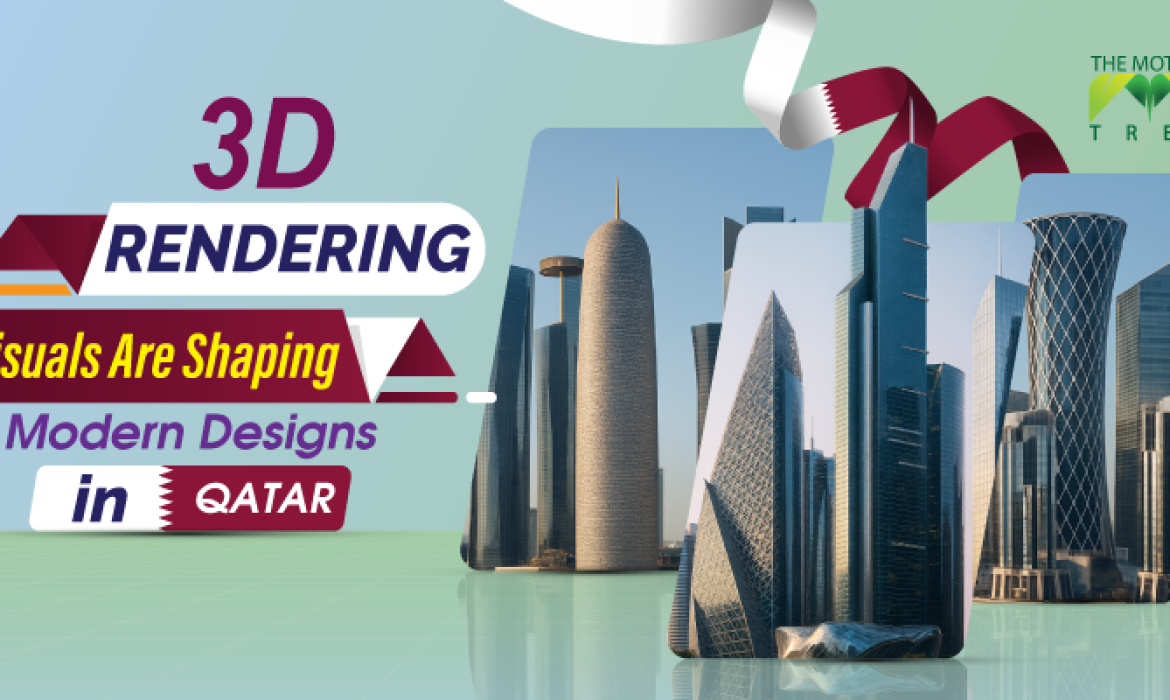
Qatar is changing fast. Roads can disappear in a day, and new neighborhoods or landmarks seem to rise almost overnight. It’s common to see empty land one month and then drive by a bustling mall, tower, or residential block the next.
This pace brings excitement but also pressure, especially for developers, architects, interior designers, and marketers who need to present ideas clearly before construction or production begins. That’s exactly where 3D rendering in Qatar has become a key part of how projects move forward.
Visuals don’t just help explain an idea; they help clients trust it. They reduce confusion, speed up approvals, and make presentations far more convincing. And because Qatar values quality and design, expectations for these visuals are higher than ever.
Why 3D Rendering Is Becoming a Standard in Qatar
Qatar’s growth is not random; it’s highly planned and design-driven. Whether you’re looking at tourism projects, residential communities, or new retail hubs, every development needs to be presented with care and clarity.
A few local trends explain why 3D rendering in Qatar has seen such a rise:
1. The real estate surge isn’t slowing down
Major zones like Lusail, Msheireb Downtown, Al Janoub, and Al Waab continue to welcome new residential and commercial projects. Developers need a way to showcase designs before construction begins, both for approvals and for customer marketing. Renderings make those early phases smoother and more professional.
2. Interior design is more personalized than ever
Many homeowners in Qatar want refined interiors. They want to see how marble flooring reflects light, how neutral colors blend with wooden textures, or how a majlis layout would feel with different furniture styles. Detailed interior renderings help them make confident decisions.
3. Businesses need premium visuals for branding
From perfume brands to electronics, Qatar’s retail market is full of companies trying to stand out. High-quality product renders help them showcase items in a polished, controlled environment without the need for expensive photo shoots.
4. Government and infrastructure projects require clarity
Large-scale initiatives often involve multiple stakeholders. Renderings and animations help everyone understand how a project will integrate with the environment and how it will function once completed.
Across all these areas, the expectation is the same: visuals should be realistic, clean, and easy to understand. And that’s exactly what modern rendering delivers.
Types of 3D Rendering Services Used in Qatar
Different projects require different kinds of visualization. Here’s how businesses and professionals typically use rendering across sectors:
Architectural Exterior Rendering
Exterior renderings help people visualize how a building fits into Qatar’s environment. Shadows, texture, landscaping, and surroundings all play a role. For a high-rise in West Bay or a waterfront villa in Lusail, these visuals help investors and buyers see potential before construction starts.
Interior Rendering
Interior renderings focus on lighting, material finishes, furniture layout, and overall ambiance. In luxury-heavy markets like Qatar, details matter. Even small differences in texture or lighting can influence a client’s decision.
3D Animation and Walkthroughs
Animations offer a complete tour of a space, making them ideal for large developments, hospitality projects, or commercial centers. They help viewers understand flow, size, and atmosphere, something still images can’t always deliver.
Product Rendering
Brands often need multiple shots from different angles, lighting conditions, or environments. 3D rendering lets them achieve this without ever shooting in a physical studio. It’s cost-effective and ideal when products aren’t manufactured yet.
Virtual Staging
Many properties stay empty during pre-sale phases. Virtual staging helps buyers imagine a fully furnished space and increases the appeal of real estate listings.
These services don’t just make designs look good; they help ideas become easier to understand and easier to approve.
Where 3D Rendering Is Most Useful in Qatar
Rendering is used almost everywhere now, but a few industries rely on it more than others:
Real Estate and Property Development
Developers need visuals not only for architectural approvals but also for marketing campaigns. Brochures, billboards, and online listings all depend on strong renderings. With so many new communities launching in Lusail, The Pearl, and Al Dafna, renderings help projects stand out.
Architecture and Interior Design
Designers often rely on rendering to explain concepts that might be hard to describe verbally. Whether it’s showcasing different lighting moods or testing material combinations, rendering provides clarity during the design process.
Hospitality and Retail
Hotels, cafes, restaurants, and retail outlets constantly revamp their interiors. Renderings help owners visualize the final atmosphere before they invest in materials, furniture, or construction.
Construction and Fit-Out Companies
Renderings give contractors a clear reference, reducing mistakes during execution. With so many premium projects in Qatar, accuracy matters.
Product Manufacturing and Marketing
Many brands in Qatar launch products that need a strong visual presentation. Renderings help them create promotional materials, packaging visuals, and online product listings quickly and consistently.
Local Factors That Influence Rendering in Qatar
One of the unique things about rendering here is that it can’t just look good; it has to look locally accurate.
A few details often influence rendering decisions:
Lighting:
Qatar has very bright sunlight and a warm tone throughout most of the year. Renderers have to adjust lighting to reflect Qatar’s natural environment, not a generic European or American setting.
Architecture style:
Designs often combine modern minimalism with traditional Arab influences. Capturing that balance requires an understanding of local tastes.
Materials:
Marble, gold accents, warm wood tones, and high-end furnishings are common in luxury interiors. Exterior designs often use modern cladding, glass, and desert-toned palettes.
Landscape:
Palm trees, desert textures, coastal views, and modern cityscapes shape the surroundings, and accurate rendering must reflect these elements.
When visuals match the local environment, clients connect with them more easily, and the renderings feel more realistic.
How 3D Rendering Helps Projects Move Faster in Qatar
Many businesses in the region rely on rendering not just for presentation, but for speed. A good set of renderings can:
- Reduce approval time by showing clear visuals instead of flat drawings.
- Help clients make decisions faster because they fully understand the design.
- Avoid costly mistakes during construction.
- Strengthen marketing by providing launch-ready visuals.
- Support investor pitches with polished, convincing presentations.
Pricing for 3D Rendering in Qatar
Pricing can vary depending on the size, complexity, and type of rendering. Standard interior or exterior renders usually fall in the range of 800 to 1,500 QAR, while detailed luxury renders can range from 2,000 to 5,000 QAR. Animation costs depend on the duration and complexity of the video. Product rendering is generally more flexible, with prices starting lower for simpler items.
Here is a quick overview for clarity:
- Standard interior/exterior render: 800–1,500 QAR.
- High-end photorealistic render: 2,000–5,000 QAR.
- 3D walkthrough animation: Priced per second or per minute.
- Product rendering: Price based on detail and variations.
How The Motion Tree Fits Into This Landscape
The Motion Tree works with many businesses and professionals in Qatar who need reliable, polished, and timely rendering. Instead of pushing heavy promotion, it’s fair to say our role is simple:
We help people visualize their ideas clearly.
Some clients come to us with full architectural drawings, while others bring rough sketches or even voice notes describing what they want. We turn these inputs into visuals that help them move forward with confidence. Our team focuses on realistic lighting, accurate materials, and clean compositions that match Qatar’s design standards.
Rather than treating rendering as just a technical service, we see it as a way to support better communication between designers, clients, developers, contractors, and marketing teams.
Why Good Renderings Make a Real Difference
Quality rendering isn’t just about good visuals. It changes the way people understand your design.
A client deciding whether to invest in a villa, a commercial property, or a renovation project feels more confident when they see a version that looks close to real life. Similarly, a company launching a new product earns more trust when the visuals are clean, accurate, and appealing.
In competitive markets like Qatar, that level of visual clarity helps you stand out.
How long does it take to complete a 3D rendering project in Qatar?
Depending on complexity, a single interior or exterior render can take 2–7 days. Animations or walkthroughs may take longer.
Can 3D renderings reflect Qatar’s natural lighting and environment accurately?
Yes. Proper renderings adjust for local sunlight, shadows, reflections, and materials to make visuals realistic.
What files do I need to provide for a 3D rendering project?
Floor plans, CAD drawings, sketches, photos, or even concept notes work. The more details you provide, the more accurate the rendering.
Are renderings suitable for marketing and promotional materials?
Absolutely. High-quality 3D visuals are perfect for brochures, websites, social media, and product catalogs.
Do 3D renderings help save costs?
Yes. They reduce the need for physical prototypes, prevent construction mistakes, and allow faster decision-making.
Conclusion
Qatar is a place where ideas become reality at incredible speed. Whether it’s a new residential district, a commercial project, a restaurant interior, or a brand’s latest product, people want to see how it will look before they commit. That’s why 3D rendering in Qatar has become a core part of modern design and communication.
It helps projects move faster, reduces misunderstandings, and creates a clearer vision for everyone involved.
If you ever need a team that understands both the technical and visual expectations of Qatar’s market, The Motion Tree is always here to help, quietly in the background, turning ideas into images that feel real.
Related Posts